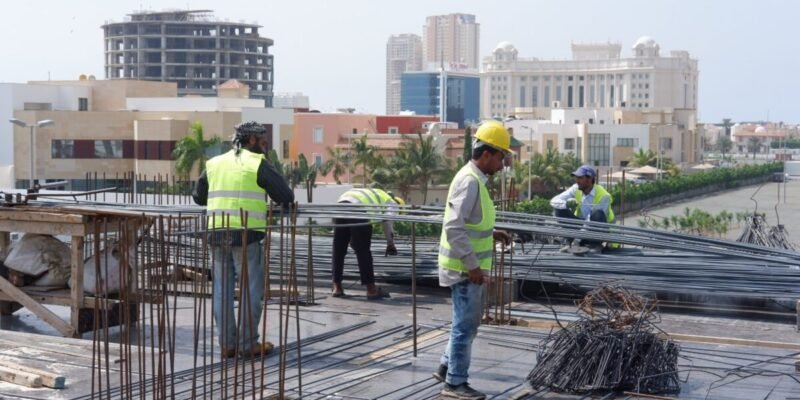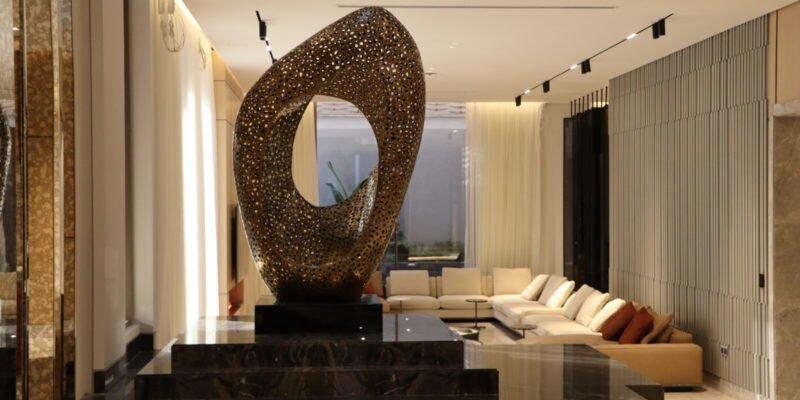
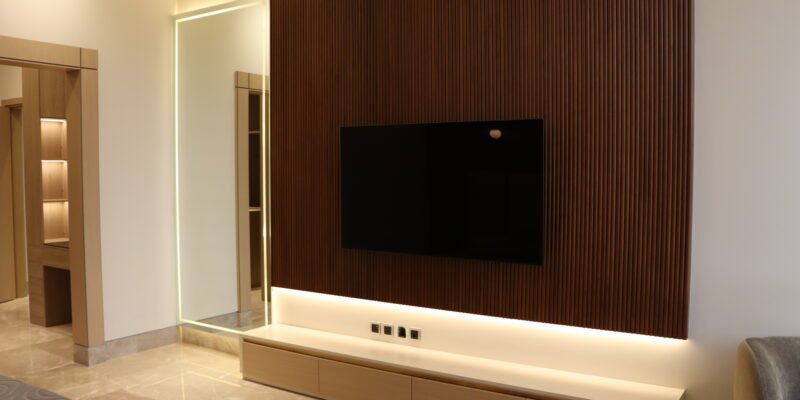
فريق فالكون ينفذ الأعمال الإنشائية لمشروع فيلا سكنية في جدة

Turnkey Construction vs. Managed Construction: Which is Right for You?

Turnkey construction means hiring one contractor accountable for the entire villa, from foundation to handover, with predictable budgeting and a single point of contact. Managed construction means acting as your own project manager, hiring separate trades for more control but more coordination risk. Falcon delivers as a genuine turnkey contractor, with in-house engineering and MEP under one team.

Turnkey vs managed construction — that is the first strategic decision you will face when building a luxury villa in Jeddah, long before you think about finishes or floor plans.

At Falcon, we deliver villas as a genuine turnkey residential contractor, with structural, MEP, and finishing capability under one roof.

If you are still weighing how the different trades come together on site, our guide on MEP coordination is a useful companion to this one.

Turnkey vs Managed Construction: Two Different Experiences

When building a luxury villa in Jeddah, one of the first strategic decisions is choosing a construction model. You can go turnkey, or choose a managed (supervised) construction approach. Both have genuine advantages — the right choice depends on your involvement preferences, risk tolerance, and project complexity.

What is Turnkey Construction?

In a turnkey arrangement, you engage a single contractor responsible for delivering the completed villa — from foundation to final finishes. You define the scope, agree on a price and timeline, and receive the keys at handover. Advantages: single point of accountability, simpler client experience, predictable budgeting, no need to coordinate between multiple parties. Potential disadvantages: it requires high trust in the contractor’s quality standards, and gives you less control over subcontractor selection. A contractor can also exploit scope gaps through change orders.

What is Managed / Supervised Construction?

In a managed model, you or your representative acts as project manager. You, or they, hire separate contractors for structure, MEP, and finishes, and coordinate between them. Advantages: more control over each trade’s quality and selection, and the ability to swap underperforming contractors mid-project. Cost can also be lower if you manage coordination efficiently. Potential disadvantages: it is significantly more time-consuming for the owner, who is responsible for coordination failures between trades. There is also a higher risk of schedule overruns.

Which Model is Right for Your Villa?

For most luxury villa owners in Jeddah, turnkey construction with a high-quality, integrated contractor is the right choice. The time savings alone are worth the premium. The key is choosing a turnkey contractor who genuinely integrates scopes in-house. Avoid one that simply subcontracts everything and adds a markup.

The Falcon Model

Falcon Construction operates as a genuine turnkey contractor with in-house engineering and MEP capability. One delivery team coordinates all scopes under a single quality standard, with one point of contact for the owner. We have delivered this model across luxury villa projects in Jeddah for over a decade.

Frequently Asked Questions

What is the difference between turnkey and managed construction?

In turnkey construction, a single contractor is responsible for delivering the completed villa — structure, MEP, and finishes — under one agreed price and timeline, with one point of contact. In managed (supervised) construction, the owner or their representative hires and coordinates separate contractors for each trade themselves.

Which construction model is right for a luxury villa in Jeddah?

For most luxury villa owners in Jeddah, turnkey construction with a high-quality, integrated contractor is the better choice — the time savings alone are usually worth the premium. The key is choosing a turnkey contractor who genuinely integrates every scope in-house, rather than one that simply subcontracts everything and adds a markup.

What are the risks of managed (supervised) construction?

Managed construction gives the owner more control over each trade’s quality and selection, but it is significantly more time-consuming, since the owner is responsible for coordinating between separate structural, MEP, and finishing contractors. It also carries a higher risk of schedule overruns from coordination failures between trades.

How does Falcon Construction operate as a turnkey contractor?

Falcon operates as a genuine turnkey contractor with in-house engineering and MEP capability. One delivery team coordinates all scopes — structural, MEP, and finishing — under a single quality standard, with one point of contact for the owner, a model Falcon has delivered across luxury villa projects in Jeddah for over a decade.

Considering a turnkey build for your villa? Speak to a Falcon project advisor — we will give you an honest recommendation based on your goals.

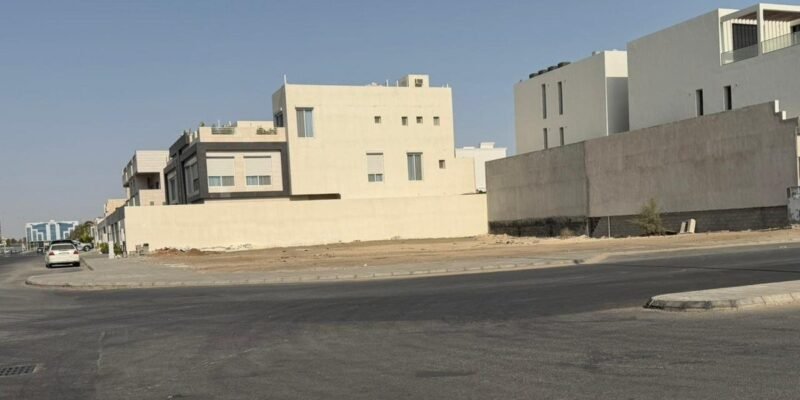
قطعة أرض فضاء في موقع زاوية بجدة لبناء فيلا فاخرة

How to Choose the Right Location for Your Villa in Jeddah

Choosing the right villa plot in Jeddah means evaluating land shape and dimensions, soil conditions (a geotechnical study can reveal costly foundation needs), available infrastructure like water and sewage, and municipal regulations on setbacks and buildable area. Location is the one element of a villa you cannot renovate later. Falcon helps clients evaluate plots before purchase.

Land selection is often the most rushed step in the entire villa process — buyers move quickly to secure a plot before working through construction logistics, only to discover later that villa location Jeddah conditions are driving up cost and complicating the design.

At Falcon, our villa construction team in Jeddah regularly helps clients assess land before they commit, so the decisions made early do not work against the design later.

If you are still finalizing your budget, our guide to villa construction costs in Jeddah breaks down how site conditions and location factor into the final number.

Villa Location Jeddah: The One Thing You Cannot Change

Every element of a villa can be renovated — finishes, systems, even layout to a degree. But location is permanent. The right location protects your investment, enhances your daily quality of life, and can significantly impact construction cost and complexity.

District and Neighbourhood Quality

Jeddah’s luxury residential districts — Al-Rawdah, Al-Andalus, Al-Zahraa, Al-Nuzha, and the northern corridor toward NEOM Road — each offer different profiles in terms of land value, neighborhood maturity, infrastructure quality, and accessibility. Consider proximity to schools and hospitals you actually use, access routes, and the general trajectory of the neighborhood.

Land Shape and Dimensions

Not all plots are equal, even at the same price per square meter. A long, narrow plot constrains your design significantly. A corner plot often provides design flexibility and natural light advantages. Before purchasing land, have an architect or experienced contractor review the plot dimensions against your intended design.

Soil Conditions

Jeddah’s geology varies considerably across the city. Some areas have stable rocky substrates; others have sandy or fill soil requiring more elaborate foundation systems — adding significant cost. A geotechnical study is a worthwhile investment before any significant land purchase.

Infrastructure and Services

Verify availability of: water and sewage connections, electricity capacity, road access wide enough for construction equipment, and fiber or telecom connectivity if smart home systems are planned.

Municipal Regulations and Setbacks

Each district in Jeddah has specific building regulations governing setbacks, height limits, and permitted built-up area ratios. A plot that looks large enough may yield significantly less buildable area once municipal setbacks are applied. Confirm these regulations before committing to a purchase.

The Falcon Perspective

At Falcon, we routinely help clients evaluate plots before purchase — reviewing municipal regulations, assessing potential foundation requirements, and pressure-testing their design concept against actual land constraints. This pre-purchase advisory saves significant time and money.

Frequently Asked Questions

Why does villa location matter more than other design decisions in Jeddah?

Location is the one element of a villa that cannot be changed after construction — finishes, systems, and even layout can be renovated later, but the land itself is permanent. Getting the location decision wrong locks in problems that no later budget can undo.

What should I check about soil conditions before buying land in Jeddah?

Jeddah’s geology varies significantly across the city — some areas sit on stable rocky substrate, while others have sandy or fill soil that requires more elaborate foundation systems. Soil conditions directly affect foundation cost, so they should be assessed before committing to a plot.

How do municipal regulations affect what I can build on a plot?

Each district in Jeddah has its own regulations governing setbacks, height limits, and permitted built-up area ratios. A plot that looks large enough on paper can yield a significantly smaller buildable footprint once these regulations are applied, so they should be checked before purchase.

Does Falcon help evaluate land before I buy it?

Yes. Falcon routinely helps clients evaluate plots before purchase — reviewing municipal regulations, assessing potential foundation requirements, and pressure-testing the design against the land’s real constraints, so buyers know construction feasibility and cost implications before committing.

Considering a plot in Jeddah? Ask Falcon to review it before you commit — we will give you an honest assessment of construction feasibility and cost implications.

What is MEP and Why Does It Define the Quality of Your Villa?

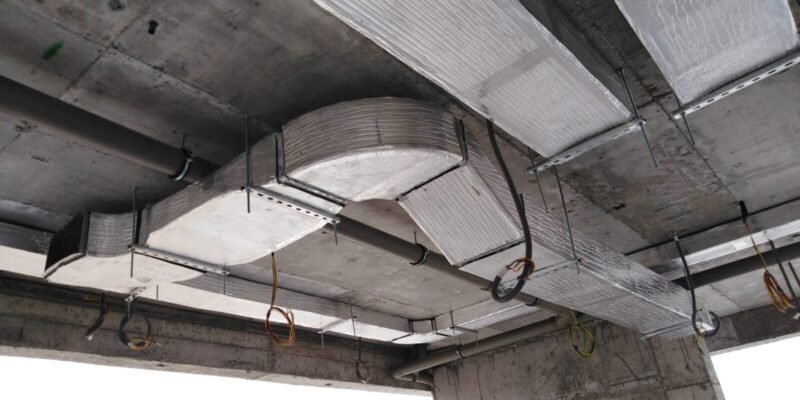
MEP stands for Mechanical, Electrical, and Plumbing — the circulatory system of your villa, determining comfort, safety, and reliability long after finishes are complete. At Falcon, MEP is coordinated in-house with structural and architectural teams from the design stage, with inspection checklists at every milestone before systems are concealed.

MEP stands for Mechanical, Electrical, and Plumbing — the circulatory system of your villa. It is one of the areas where the gap between an average contractor and an excellent one is most visible, and most costly to fix after the fact. If you are still early in the process, our guide to the stages of building a villa in Jeddah covers where MEP fits into the overall timeline.

The Systems Behind the Walls

Every luxury villa depends on three coordinated systems working together long after the finishes are complete. Get MEP right, and the villa simply works — quiet, efficient, and reliable for decades. Get it wrong, and even the finest marble and joinery can’t hide the problems underneath.

Mechanical: Climate and Ventilation

In Jeddah’s climate, HVAC design is a necessity. A properly designed mechanical system includes zoned air conditioning, adequate fresh air ventilation, kitchen and bathroom exhaust, and central filtration where required. Poorly designed HVAC leads to uneven cooling, condensation problems, noisy units, and high electricity bills.

Electrical: Safety, Capacity, and Intelligence

A luxury villa’s electrical system must be designed for future capacity. This means planning for smart home integration, sufficient circuit distribution, proper earthing and protection systems, and backup power provisions. Electrical deficiencies range from inconvenient (tripping breakers) to dangerous (fire risk from undersized wiring).

Plumbing: Where Quality is Measured in Decades

Plumbing failures in villas are disproportionately expensive to fix after finishes are complete. Water leaks behind marble walls or under stone floors require full demolition to repair. This is why material quality, connection quality, and pressure testing before finishing are non-negotiable. A professional MEP contractor pressure-tests every circuit before walls are closed.

Coordinated MEP: The Falcon Standard

At Falcon, MEP is not subcontracted to a third party and managed separately. Our MEP systems are coordinated in-house with our structural and architectural teams from the design stage — eliminating the most common cause of MEP failure: clashes between systems designed independently and installed without coordination.

We maintain inspection checklists at every MEP milestone — rough-in, pre-cover inspection, and commissioning — so that every system is tested and documented before it is concealed.

If you are planning a villa, ask your contractor how they handle MEP coordination. The answer will tell you a great deal about how your project will be managed.

Frequently Asked Questions

What does MEP stand for and why does it matter in a villa?

MEP stands for Mechanical, Electrical, and Plumbing — the circulatory system of a villa. It determines comfort, safety, and long-term reliability long after the finishes are complete, and problems in these systems are far more expensive to fix once walls are closed.

What does a properly designed electrical system in a luxury villa include?

A luxury villa’s electrical system must be designed for future capacity, planning for smart home integration, higher electrical loads, and safety margins from the start — not retrofitted after construction.

Why are plumbing failures so costly to fix in a finished villa?

Water leaks behind marble walls or under stone floors require full demolition to repair, since plumbing failures are usually discovered only after finishes are in place. This is why quality plumbing execution is measured in decades, not just at handover.

How does Falcon coordinate MEP systems?

At Falcon, MEP is not subcontracted to a third party and managed separately — it is coordinated in-house with the structural and architectural teams from the design stage, with inspection checklists at every milestone (rough-in, pre-cover, commissioning) so every system is tested and documented before it is concealed.

Ready to build a villa with MEP done right from day one? Request a quote from Falcon and let’s talk through your project.

Or explore Falcon’s luxury villa and residential construction service first.
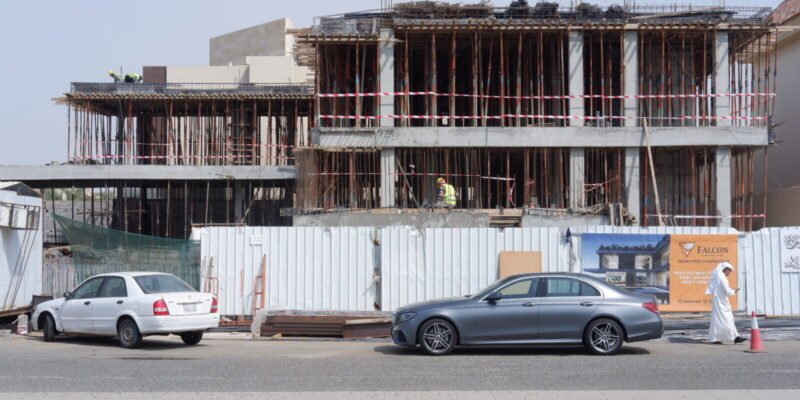
فيلا تحت الإنشاء في جدة تُظهر مرحلة الهيكل الإنشائي

Stages of Building a Villa in Jeddah: A Complete Guide

Building a luxury villa in Jeddah typically takes about 14 months for a villa of 500–1,000 m² built-up area and about 16 months for 1,001–1,600 m², plus about 3 months for design and permitting. The process runs through seven stages: design and permitting, site preparation, foundations, structural frame, rough works, finishing, and final testing and handover.

Many villa owners enter a construction project without knowing what to expect at each stage. This ambiguity leads to misaligned expectations, friction with the contractor, and sometimes costly decisions made from uncertainty.

At Falcon Construction, we believe an informed client is a satisfied client. Here is a complete guide to the stages of villa construction in Jeddah.

If you are still working out the budget side, our guide to villa construction costs in Jeddah breaks down the numbers before you commit to a design.

Stage 1: Design and Permitting

Before any work begins on site, the design must be completed and official approvals obtained. This stage includes:

Expected duration: about 3 months, depending on project size and complexity. The soil study and the building permit are handled by the engineering office that issues the permit; Falcon can follow up on the permit on the client’s behalf if requested.

Stage 2: Site Preparation and Excavation

  • Setting out the building boundaries and establishing levels
  • Excavation and backfill according to drawings
  • Removal of surplus soil from site
  • Formwork preparation for foundations

Stage 3: Foundations

Foundations are the first critical structural element — and no compromise is acceptable here. The foundation type is set in the structural design, based on the soil study that the engineering office issuing the permit carries out through an accredited laboratory. Falcon builds the foundations to that design.

  • Pouring of plain and reinforced concrete
  • Installation of reinforcement steel per structural specifications
  • Concrete compression testing

Stage 4: Structural Frame

This phase involves construction of columns, beams, and slabs for each floor from ground level up to the roof.

Expected duration: 3 to 8 months depending on number of floors and design complexity.

Stage 5: Internal Construction — Rough Works

  • Construction of internal and external walls
  • Thermal and waterproofing insulation
  • Running pipes and electrical conduits inside walls
  • Plastering and render works

Stage 6: Finishing Works

  • Installation of floor finishes — marble, stone, ceramic
  • Installation of doors and windows
  • Interior painting and decorative finishes
  • Kitchen and built-in wardrobes installation
  • Final electrical works — switches, lighting, distribution boards
  • Final plumbing works — basins, fixtures, sanitary ware

Stage 7: Testing and Handover

Before final handover, Falcon conducts comprehensive testing of all systems: electrical, plumbing, HVAC, fire alarm and suppression. This is followed by a joint inspection walk-through with the client before the completion certificate is issued.

How Long Does the Whole Build Take?

For a luxury villa in Jeddah, expect about 14 months of construction for 500–1,000 m² of built-up area and about 16 months for 1,001–1,600 m². Add about 3 months before that for design and permitting. These durations are indicative and depend on the design and on how quickly the finishes are chosen.

That range moves with the specification level. A villa with a basement, pool, extensive landscaping, or full smart home integration sits at the upper end. Delays most often come from three sources: late client decisions on finishes, design changes after structural work has started, and material lead times on imported items.

The single most effective way to protect your timeline is to finalise finishing selections before the structural frame is complete. Every decision deferred past that point has a compounding effect on the schedule.

Villa Construction Process: Step by Step

Falcon’s villa construction process runs through seven stages, from design and permitting to final handover:

  1. Design and Permitting

    Complete the architectural and structural drawings, design the MEP systems (mechanical, electrical, plumbing), obtain the building permit from Jeddah Municipality (Amanah), and hold a design review with the supervising engineer. Expected duration: about 3 months depending on project size and complexity. The soil study and permit are handled by the engineering office that issues the permit.

  2. Site Preparation and Excavation

    Set out the building boundaries and establish levels, excavate and backfill according to the drawings, remove surplus soil from the site, and prepare formwork for the foundations.

  3. Foundations

    Pour plain and reinforced concrete, install reinforcement steel per the structural specifications, and carry out concrete compression testing. The foundation type follows the structural design, which is based on the soil study carried out by the engineering office that issues the permit.

  4. Structural Frame

    Construct the columns, beams, and slabs for each floor from ground level up to the roof. Expected duration: 3 to 8 months depending on the number of floors and design complexity.

  5. Internal Construction — Rough Works

    Build the internal and external walls, apply thermal and waterproofing insulation, run pipes and electrical conduits inside the walls, and complete plastering and render works.

  6. Finishing Works

    Install floor finishes (marble, stone, ceramic), doors and windows, complete interior painting and decorative finishes, install the kitchen and built-in wardrobes, and finish the electrical (switches, lighting, distribution boards) and plumbing works (basins, fixtures, sanitary ware).

  7. Testing and Handover

    Falcon conducts comprehensive testing of all systems — electrical, plumbing, HVAC, fire alarm and suppression — followed by a joint inspection walk-through with the client before the completion certificate is issued.

Frequently Asked Questions

How long does it take to build a villa in Jeddah?

For a luxury villa in Jeddah, expect about 14 months of construction for 500–1,000 m² of built-up area and about 16 months for 1,001–1,600 m², plus about 3 months beforehand for design and permitting. These durations are indicative.

What causes delays in villa construction timelines?

Delays most often come from three sources: late client decisions on finishes, design changes after construction has started, and specification upgrades mid-build. The single most effective way to protect the timeline is to finalize finishing selections before the structural frame is complete.

What are the main stages of building a villa?

Villa construction moves through seven stages: design and permitting, site preparation and excavation, foundations, structural frame, internal rough works, finishing works, and testing and handover — each stage depends on the one before it being fully complete.

What increases villa construction time in Jeddah?

Specification level has the biggest effect — a villa with a basement, pool, extensive landscaping, or full smart home integration sits at the upper end of the timeline range, since these elements add coordination and construction complexity across multiple stages.

Are you in the planning stage for your villa? Contact the Falcon team for a detailed project timeline tailored to your specific scope.

Curious what a Falcon-built villa looks like? See our luxury villa and residential construction service.

Luxury villa construction project in Jeddah by Falcon Construction

How Much Does It Cost to Build a Luxury Villa in Jeddah?

Luxury villa construction in Jeddah costs SAR 2,500–6,000 per square meter of built-up area, depending on specification level. The main cost drivers are structural complexity (a 15–25% premium for basements or pools), MEP systems (20–30% of total cost), and finishing choices. Falcon provides transparent, itemized quotations before any project commitment.

Last updated: 20 September 2026. All figures on this page are indicative ranges for Jeddah, reviewed every quarter. Your final price depends on design, site and specification, and is confirmed only in a written, itemised quotation.

One of the most common questions we receive at Falcon Construction is: “How much does it cost to build a luxury villa in Jeddah?” It is a fair question — and one that deserves an honest, detailed answer rather than a vague estimate.

The truth is, construction cost is not a single number. It is the result of dozens of decisions made before a single brick is laid. This article will break down the real cost components so you can plan with confidence.

Cost Per Square Meter: The Starting Point

In Jeddah, luxury villa construction typically ranges between SAR 2,500 and SAR 6,000 per square meter of built-up area, depending on specification level:

Specification levelSAR per m² (built-up area)What it typically includes
Standard ResidentialSAR 1,800 – 2,500basic finishes, standard MEP, no premium materials
Mid-Range LuxurySAR 2,500 – 4,000imported tiles, engineered systems, quality finishes
High-End LuxurySAR 4,000 – 6,000premium marble, smart home integration, custom millwork
Ultra-Premium / CustomSAR 6,000+bespoke design collaboration, architectural statement pieces

What Drives the Cost Up?

1. Structural Complexity

A villa with a basement, swimming pool, and multiple cantilevers requires significantly more structural engineering than a simple two-storey box. Expect a 15–25% premium on structure costs for complex designs.

2. MEP Systems

Mechanical, electrical, and plumbing systems can account for 20–30% of total construction cost. A villa with full HVAC zoning, smart electrical panels, solar integration, and central filtration will cost considerably more than one with standard installations.

3. Finishing Level

Finishes are often where the greatest variance occurs. Italian marble vs local stone, custom cabinetry vs off-the-shelf, automated lighting vs standard switches — each choice compounds into a significant cost difference.

4. Contractor Quality and Supervision

A lower quote is rarely a better deal. Contractors who win on price often recover margin through shortcuts, change orders, and quality compromises. A well-managed contractor with in-house engineering costs more upfront and saves considerably more long-term.

Hidden Costs to Budget For

  • Municipal and authority fees: SAR 50,000 – 200,000 depending on villa size and location
  • Architectural and engineering design fees
  • Site preparation and excavation: SAR 30,000 – 300,000
  • Landscaping and external works: SAR 100,000 – 800,000
  • Furniture and loose items: typically 20–30% of construction cost, budget separately

How Long Does It Take to Build a Villa in Jeddah?

Construction time depends mainly on the built-up area. From the start of construction to handover, Falcon’s typical timelines are:

Villa built-up areaTypical build time (start to handover)
500 – 1,000 m²About 14 months
1,001 – 1,600 m²About 16 months

These are indicative timelines, reviewed every quarter, and they stay flexible depending on the client and the design.

How Long Do Design and Permits Take?

Allow about 3 months for design, drawings, permits and soil tests. This does not include:

  • extra time if you choose to work with a specialised architectural design office, or
  • interior work.

These timings are flexible and depend on the client’s decisions.

The Falcon Approach to Budgeting

At Falcon Construction, we provide transparent, itemized quotations before any project commitment. We work with structured bills of quantities so that you know exactly what you are paying for, and why. Our in-house engineering capability means structural, MEP, and finishing coordination happens under one roof — reducing change orders and protecting your budget from surprises.

Once your budget is set, the next question is what actually happens on site — see our full breakdown of the villa construction process from permit to handover.

Frequently Asked Questions

How much does it cost to build a luxury villa in Jeddah?

Luxury villa construction in Jeddah typically costs SAR 2,500–6,000 per square meter of built-up area, depending on specification level — from mid-range luxury finishes up to ultra-premium, custom architectural work. The final cost depends on structural complexity, MEP systems, and finishing choices.

What drives villa construction costs up the most?

Four factors drive costs the most: structural complexity (a 15–25% premium for basements, pools, or cantilevers), MEP systems (20–30% of total cost), finishing level (marble, custom cabinetry, automated lighting), and contractor quality — cutting corners on supervision often costs more long-term through change orders.

What hidden costs should I budget for beyond construction?

Beyond the build itself, budget for municipal and authority fees (SAR 50,000–200,000), site preparation and excavation (SAR 30,000–300,000), landscaping and external works (SAR 100,000–800,000), and furniture, typically 20–30% of the construction cost.

How does Falcon Construction ensure transparent villa pricing?

Falcon provides transparent, itemized quotations before any project commitment, using structured bills of quantities. Our in-house engineering — structural, MEP, and finishing coordination under one roof — reduces change orders and protects your budget from surprises.

How long does it take to build a villa in Jeddah?

About 14 months from start to handover for a villa of 500–1,000 m², and about 16 months for 1,001–1,600 m². Design, drawings, permits and soil tests add about 3 months before construction starts. These are indicative timelines, reviewed every quarter.

How long do villa design and permits take in Jeddah?

About 3 months, including design, drawings, permits and soil tests. This excludes extra time if you use a specialised architectural design office, and it excludes interior work. The timing is flexible and depends on the client.

Ready to get a real number for your villa project? Request a consultation with our team and we will walk you through a detailed cost model specific to your design and requirements.

Want to see how we build? Take a look at Falcon’s luxury villa and residential construction service.