The five most common mistakes when hiring a contractor in Jeddah are choosing on price alone, ignoring what the contractor actually builds in-house, accepting a weak contract, not visiting active sites, and leaving the finishes undefined. You can avoid all five by asking the right questions before you sign.
The Right Contractor Changes Everything
Choosing the wrong contractor is the single most expensive mistake a villa owner can make — not just about money, but months of your life, peace of mind, and ultimately the quality of your home for generations. Here are the five most common mistakes we see in Jeddah, and how to avoid them.
Mistake 1: Choosing on Price Alone
The lowest quote is almost never the best deal. Contractors who win projects on price typically recover their margin through substandard materials, cutting corners on supervision, excessive change orders, or abandoning the project when it becomes unprofitable. Evaluate quotes by scope clarity, not by the bottom line alone.
Mistake 2: Ignoring Self-Perform Capability
Many contractors in Jeddah are essentially brokers — they win projects and subcontract everything to smaller, unvetted crews. Ask directly: which scopes do you self-perform? A strong residential contractor should have in-house structural, MEP, and finishing supervision capability at minimum.
Mistake 3: Skipping or Weakening the Contract
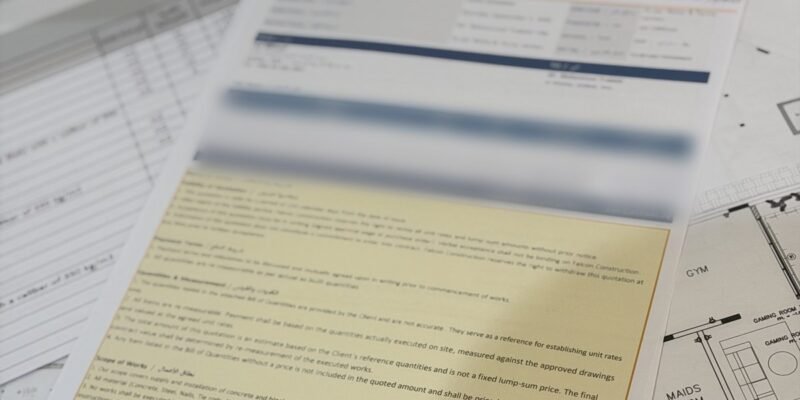
A handshake deal or a one-page contract is an invitation for disputes. A proper construction contract must define: scope of works in detail, a milestone-based payment schedule, a defect liability period, a clear change order process, and dispute resolution terms. If your contractor resists a detailed contract, that tells you something important.
Mistake 4: Not Visiting Active Projects
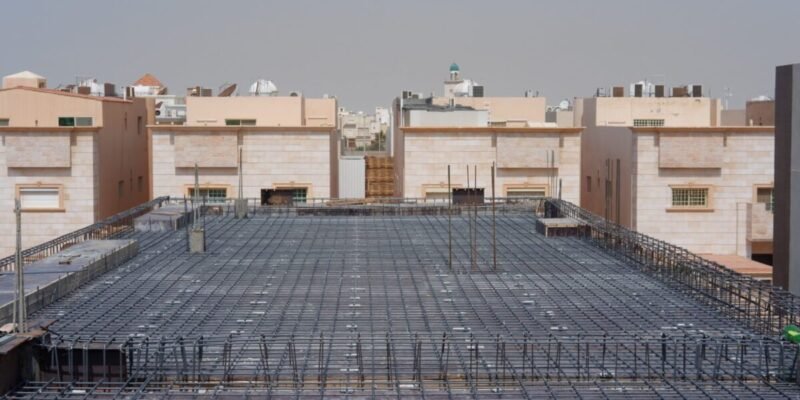
Photos on Instagram are not proof of quality. Visiting an active construction site — with permission — tells you more in 20 minutes than any portfolio. Look at how materials are stored, whether crews are supervised, site cleanliness and organization, and the care taken with MEP rough-in. A well-run site reflects a well-run company.
Mistake 5: Not Defining the Scope of Finishes in Detail
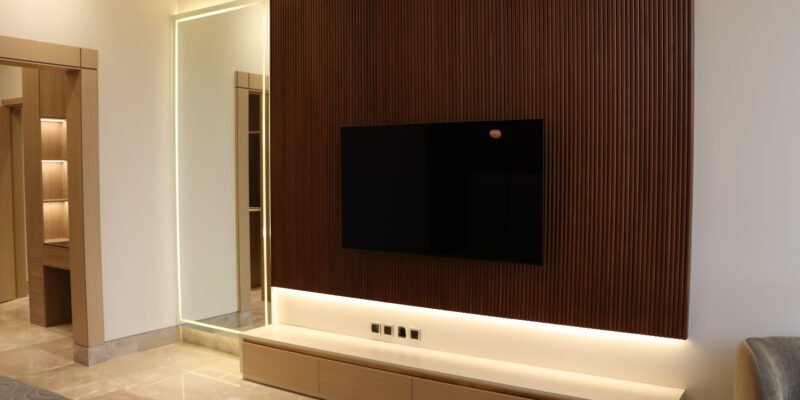
“Marble floors” can mean travertine or Calacatta. “Kitchen cabinets” can mean local laminate or German-engineered systems. Before signing any contract, insist on a detailed finishes schedule that specifies materials, brands, grades, and quantities for every item.
How Falcon Approaches Projects
At Falcon, we are selective about the projects we take on precisely because we take every project seriously. We only commit to scopes we can deliver at our standard — and we document everything, from the approved structural drawings to inspection checklists, so there are no surprises for you or for us.
Frequently Asked Questions
Choosing on price alone. The lowest quote is almost never the best deal, because contractors who win on price typically recover their margin through substandard materials, weaker supervision, excessive change orders, or by abandoning the project.
The scope of works in detail, a milestone-based payment schedule, a defect liability period, a clear change order process, and dispute resolution terms.
Visit one of their active construction sites, with permission. Look at how materials are stored, whether crews are supervised, how clean and organized the site is, and the care taken with MEP rough-in.
General terms hide big differences: “marble floors” can mean travertine or Calacatta. A detailed finishes schedule specifies materials, brands, grades, and quantities for every item.
Thinking about starting a villa project? Contact Falcon Construction for a no-obligation consultation and let us show you what a properly managed project looks like from day one.